

trading16
The Future of Trading Mobile Forex Trading Explained 1621954829

In today’s fast-paced financial landscape, mobile forex trading is changing the way traders engage with the markets. Not only does it provide convenience and flexibility, but it also allows traders to tap into real-time market data and execute trades from virtually anywhere. For an in-depth understanding of mobile forex trading, check out mobile forex trading trading-uganda.com. This article will delve into the essentials of mobile forex trading, discussing its advantages, challenges, and best practices to enhance your trading experience.
What is Mobile Forex Trading?
Mobile forex trading refers to the practice of trading foreign exchange (forex) using a mobile device, such as a smartphone or tablet. Thanks to the advancement of technology, traders can now access their trading accounts and the forex markets while on the go. Mobile trading allows users to execute trades, analyze market conditions, and monitor their investment portfolios without being tethered to a desktop computer.
The Advantages of Mobile Forex Trading
1. Accessibility
One of the most significant advantages of mobile forex trading is its accessibility. Traders can engage with the markets 24/5 (Monday to Friday) from wherever they are—whether at home, at work, or during their daily commute. This level of accessibility ensures that traders never miss out on crucial trading opportunities.
2. Real-time Data and Analysis
Mobile forex trading apps provide real-time market data, charts, and technical indicators. This instant access to crucial information enables traders to make informed decisions rapidly. Additionally, many trading apps come equipped with analytical tools that help traders deploy various trading strategies effectively.
3. Instant Trade Execution
With mobile trading, executing trades becomes a matter of seconds. Traders can quickly enter buy or sell orders, set stop-loss and take-profit levels, and close positions immediately. This speed can greatly enhance a trader’s ability to capitalize on market volatility.
4. User-friendly Interfaces
Modern mobile trading applications are designed with user experience in mind. Most platforms offer intuitive and easy-to-navigate interfaces, making it simple for traders of all experience levels to place trades, analyze charts, and manage their accounts.
Challenges of Mobile Forex Trading
1. Screen Size Limitations
While mobile devices offer convenience, their smaller screens can limit the experience compared to desktop trading. Complex analysis and multiple open charts can be challenging to manage on a smartphone or tablet. Traders must adapt their strategies to fit the constraints of mobile interfaces.
2. Connectivity Issues
Mobile trading relies on internet connectivity, and unstable or weak connections can hinder a trader’s ability to access their accounts or execute trades. Such disruptions can be particularly detrimental in volatile market conditions where timing is crucial.
3. Security Concerns
While mobile trading apps usually implement various security measures, the risk of cyber threats remains a concern. Traders must prioritize choosing secure apps and avoid using public Wi-Fi networks to safeguard their sensitive information.
Choosing the Right Mobile Trading App
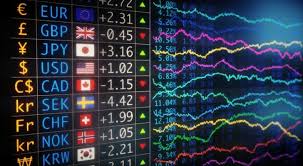
When selecting a mobile forex trading application, traders should consider a variety of factors to enhance their trading experience:
1. Reliability and Reputation
Opt for reputable trading platforms that have proven reliability, positive reviews, and regulatory compliance. Research user feedback and ensure the broker has a strong support structure.
2. Features and Tools
Look for apps that offer advanced analytical tools, charting capabilities, and customizable features. Important tools may include economic calendars, news feeds, and risk management options.
3. User Experience
A user-friendly interface is vital for effective trading. Test the app’s navigation and layout to ensure that placing trades and performing analyses is straightforward.
4. Security Measures
Select platforms that provide robust security features, including two-factor authentication, encryption, and secure data storage.
Best Practices for Mobile Forex Trading
1. Set Realistic Goals
Before starting mobile forex trading, it is essential to set realistic and achievable trading goals. Whether aiming for long-term wealth accumulation or short-term gains, having a clear strategy will help keep your trading decisions focused.
2. Use Stop-loss Orders
Always implement stop-loss orders to protect your capital. Since the mobile trading environment can be dynamic, stop-loss orders will help minimize potential losses.
3. Stay Informed
Keep abreast of market trends, news events, and economic indicators through the mobile app’s news feature. Understanding market fundamentals can significantly improve your trading outcomes.
4. Practice with Demo Accounts
Many brokers offer demo accounts for mobile trading. Practicing in a risk-free environment will familiarize you with the platform and improve your skills before trading with real money.
Conclusion
Mobile forex trading is revolutionizing the way traders engage with the financial markets. Its advantages, such as accessibility, real-time data, and instant trade execution, make it an appealing option for both novice and experienced traders. However, challenges like screen size limitations and security concerns should be carefully considered. By selecting a suitable trading app and adhering to best practices, you can optimize your mobile trading experience and take advantage of the dynamic nature of the forex market.
